
Tire Care Tips for Colorado Springs
Keep your tires in top shape and your rides smooth, safe, and efficient.
Your tires are the only part of your vehicle that actually touch the road — so taking good care of them isn’t just about performance; it’s about safety, fuel economy, and getting the most out of your investment. Here are our top tips from the J&M Touchless Tire Service experts.
1. Check Your Tire Pressure Regularly
Proper inflation is key to tire longevity. Under-inflated tires wear unevenly, reduce gas mileage, and can cause blowouts. The cold weather of Colorado Springs winters can cause tire pressure to decrease significantly.
Tip: Check pressure at least once a month and before long trips — ideally when tires are cold. Use your vehicle’s door-jamb sticker for the correct PSI (not the number on the tire sidewall).
2. Rotate Tires Every 5,000–7,000 Miles
Rotating your tires helps them wear evenly and extends their life.
Tip: Schedule a rotation around the same time as your oil change. J&M can rotate your tires at your next service call.
3. Keep an Eye on Tread Depth
Good tread is essential for grip, especially on the wet or snowy roads that are common in Colorado Springs in the winter.
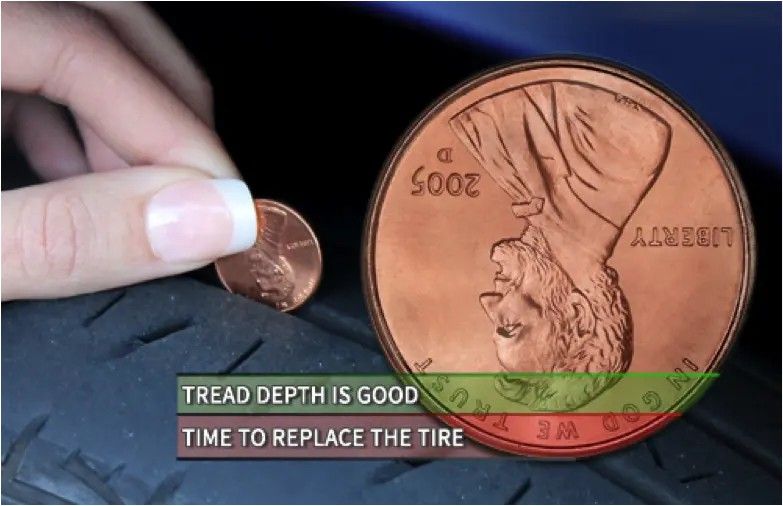
Try the penny test: Insert a penny into the tread with Lincoln’s head down. If you can see the top of his head, it’s time for new tires.
4. Watch for Signs of Uneven Wear
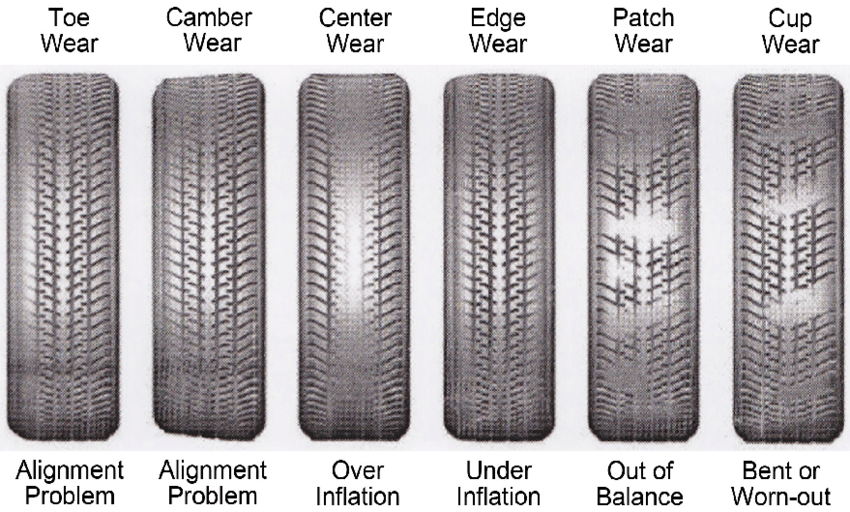
Uneven wear can indicate underlying issues like misalignment, suspension problems, or incorrect tire pressure.
- Wear on both outside edges or the center: Usually caused by incorrect tire pressure
– Under-inflation wears the edges
– Over-inflation wears the center
- Uneven wear between front and rear tires: Often due to not rotating your tires regularly.
- Wear on just one edge of a single tire: Typically caused by alignment issues or worn suspension components.
- Cupping, feathering, or scalloping: Signs of failing shocks, struts, or other suspension parts.
Keeping an eye on these patterns can help you spot issues early and extend the life of your tires.
5. Avoid Sudden Stops and Hard Turns
Aggressive driving can reduce tire life by up to 30%. Smooth acceleration and braking keep your tires (and passengers) happy.
6. Don’t Forget Seasonal Care
In Colorado Springs’ changing seasons, cold weather lowers tire pressure and affects traction. Are your tires safe for winter?
Winter Tip: Check pressure more frequently and consider switching to dedicated winter tires for the best safety and control.
7. Store Tires Properly When Not in Use
If you swap out seasonal tires, store them in a cool, dry place away from direct sunlight and heat sources. Climate controlled storage is ideal, rubber doesn't light large swings in temperature. Stack them flat or hang them on hooks to avoid deforming the sidewalls.
8. Regularly Inspect your Tires
Even small cracks, punctures, or bulges can become safety hazards. Make sure to visually inspect your tires regularly and before long road trips.
9. Protect Your Tires
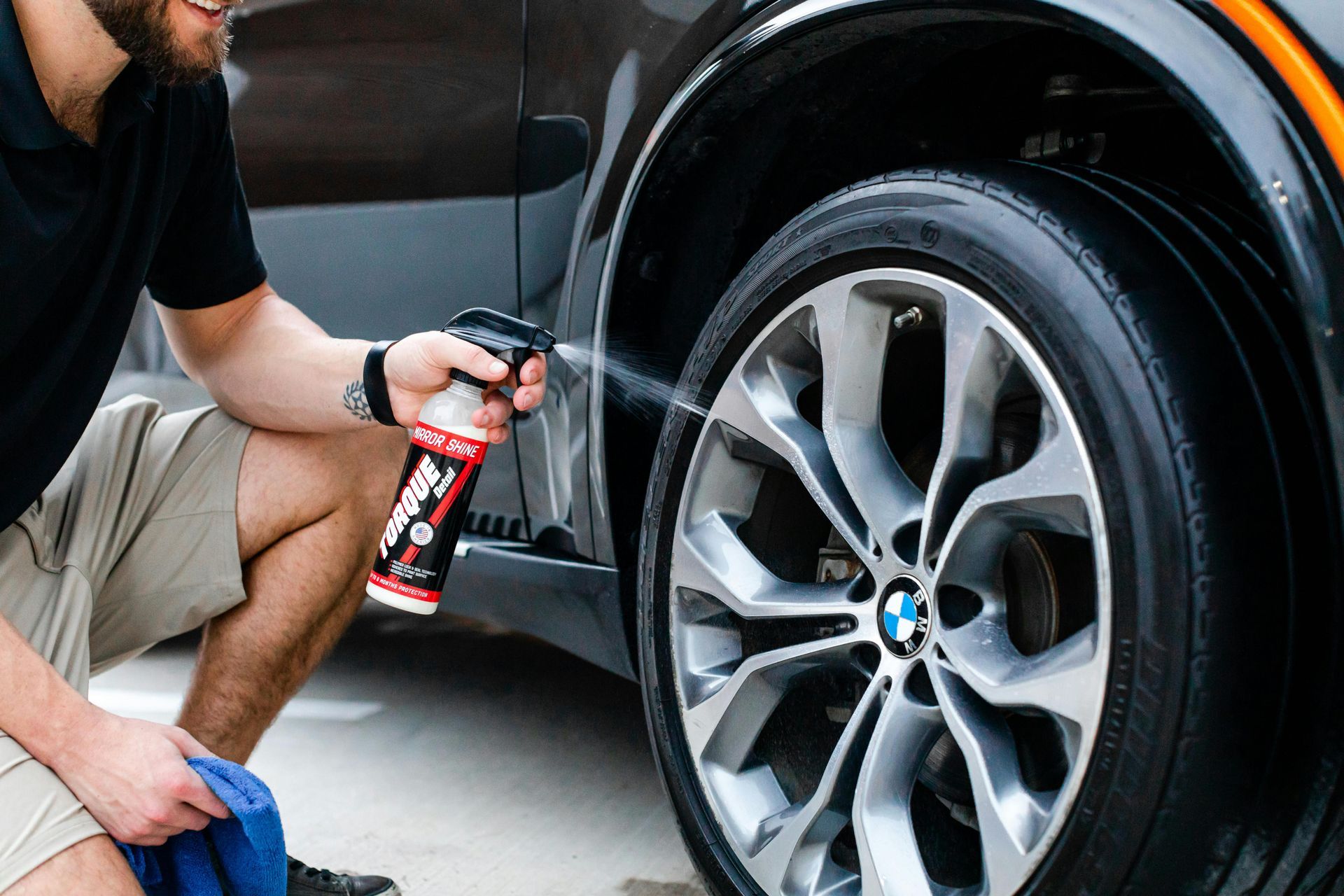
While nothing replaces the fundamentals—correct tire pressure, regular rotations, proper alignment and suspension maintenance—a high-quality rubber protectant can be a smart part of your tire-care routine. After cleaning and drying the tire sidewalls, applying a formulated protectant helps shield the rubber from UV‐rays, ozone and environmental damage that lead to cracking and sidewall deterioration.