
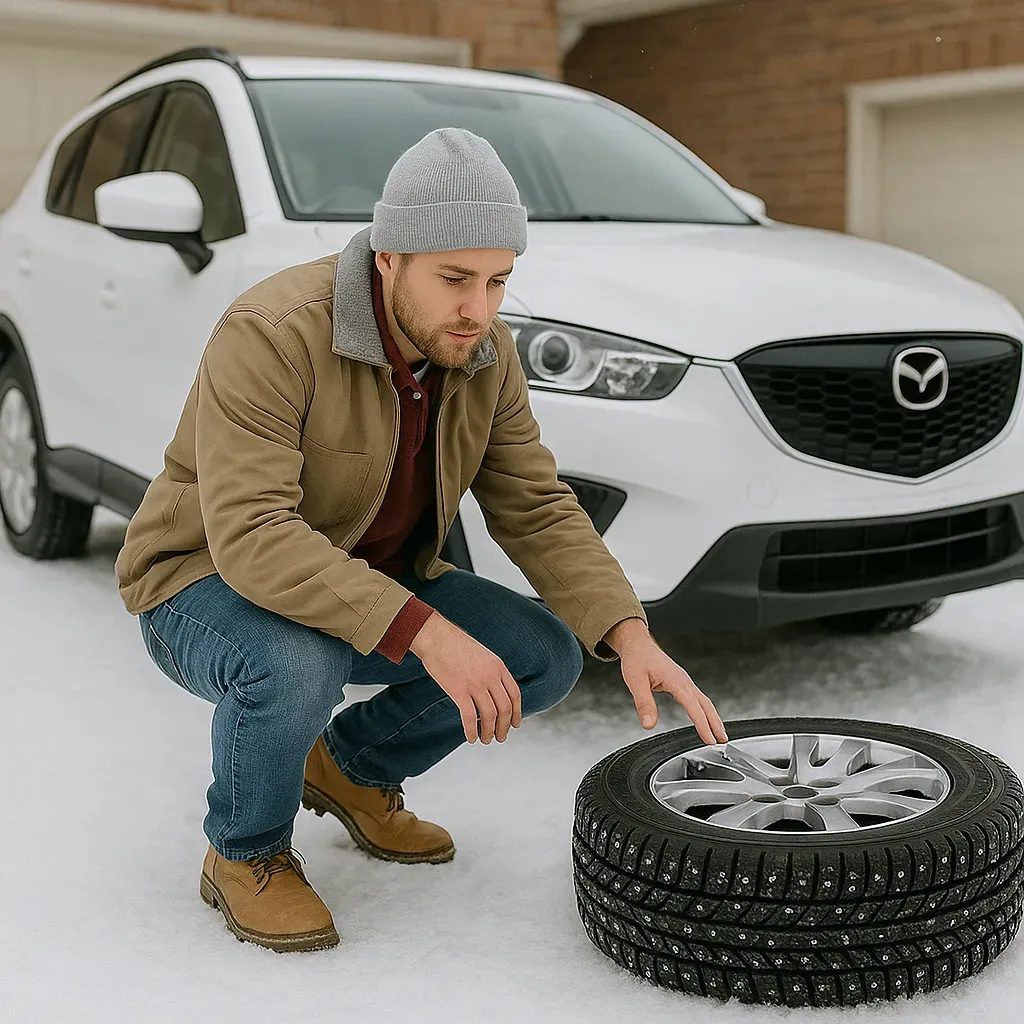
As colder months arrive in Colorado Springs, many drivers wonder whether switching to winter tires is truly necessary. With icy roads, sudden snowfall, and freezing temperatures, choosing the right tires can dramatically improve your safety. In this guide, we break down when to switch to winter tires, why they matter, and how to schedule professional mobile winter tire installation without visiting a shop.
Why Winter Tires Matter in Colorado Springs
Colorado Springs has unpredictable winter weather—snow one day, freezing rain the next. While all-season tires work in mild climates, they lose flexibility and traction once temperatures drop below 45°F.
Winter tires provide:
- Better grip on snow and ice
- Softer rubber that stays flexible in freezing weather
- Deeper tread for better snow evacuation
- Shorter stopping distances
If you drive daily in Colorado Springs, the safety difference between all-season and winter tires is significant.
When Should You Switch to Winter Tires?
The best time to install winter tires is when temperatures consistently stay at or below 45°F. In Colorado Springs, this usually happens:
- Late October to early November — ideal time to switch
- December–February — winter tires are essential
- March — monitor temps before switching back
Because storms can arrive suddenly, many drivers choose to switch early rather than wait for the first snowfall.
Benefits of Winter Tires for Colorado Springs Roads
- Improved traction on icy, snowy, or slushy roads
- Safer braking in sub-freezing temperatures
- Better steering control during storms
- Higher confidence while driving in winter weather
For commuters and families, winter tires make everyday driving noticeably safer.
Mobile Winter Tire Installation in Colorado Springs
Switching to winter tires doesn’t require a shop visit. J&M Touchless Tire Service provides convenient mobile tire installation — meaning we come to your home, workplace, or roadside with professional equipment.
Our winter tire services include:
- Touchless tire mounting (protects wheels from scratches)
- Hunter Road Force Balancing for a smooth ride
- Seasonal tire changeovers
- On-site tire replacement
This saves time, avoids long shop waits, and ensures your vehicle is winter-ready.
Do You Need Winter Tires If You Have All-Season Tires?
All-season tires are a compromise — they can handle mild weather but struggle in true winter conditions. Winter tires outperform them in:
- Traction on snow and ice
- Braking distance
- Cornering ability
- Cold-weather flexibility
If you drive early mornings, nightly, or through mountain roads, winter tires are the safer choice.
When to Switch Back to All-Season Tires
Switch back when temperatures consistently rise above 45°F, usually in late March or early April. Driving winter tires in warm weather wears them down quickly — so switching at the right time saves money long-term.
Frequently Asked Questions
Do winter tires make a big difference?
Yes. They provide significantly better traction, braking, and control in cold and snowy conditions compared to all-season tires.
How long do winter tires last?
Most winter tires last 3–4 seasons if used only during cold months and rotated regularly.
Can I install winter tires myself?
It’s best to have them installed professionally. Our mobile tire installation service makes the process quick and convenient.
Do all vehicles need winter tires?
Any vehicle driven in freezing or snowy conditions benefits from winter tires, including AWD and 4WD vehicles.
Get Winter Tires Installed at Your Home or Work
Winter driving in Colorado Springs doesn’t have to be stressful. If you're ready to switch to winter tires, schedule a mobile tire installation with J&M Touchless Tire Service. We bring the equipment, expertise, and convenience directly to you.


